

Last Updated: November 19, 2026
Quick Summary
Sugar free electrolytes for women replace sodium, potassium and magnesium lost through sweat without adding sugar, calories or caffeine. Our HYCO sachets deliver 250mg of sodium per serving, sweetened with stevia and erythritol at 0 kcal, from £1.23 per serving in the 40-sachet Double Pouch.
- Each HYCO sachet mixes into 500ml to a litre of water so you control drink strength.
- The 40-sachet Double Pouch costs £49.00, working out at £1.23 per serving.
- Sugar-free means no more than a set threshold of sugars, unlike no added sugar.
- Check sodium, potassium, magnesium and sweetener on the label before comparing products.
- Ask a GP or pharmacist first if you have a kidney or heart condition or take diuretics.
Table of Contents
- Why Sugar Free Electrolytes for Women Are Worth a Closer Look
- The Best Sugar-Free Electrolyte Powder and Sachets Compared
- Electrolyte Tablets for Hydration: Where They Fit and Where They Fall Short
- How to Choose Electrolyte Supplements Without Guessing
- Electrolytes After Illness: When They Help and When to See a GP
- Hydration Needs Across Women's Life Stages
- Start With a Taster Pack and Find Your Flavour
- Frequently Asked Questions
Why Sugar Free Electrolytes for Women Are Worth a Closer Look
Sugar free electrolytes for women have moved from niche gym-bag extra to a genuinely useful everyday purchase, and the reason is simple: hydration is not just about water. At HYCO, we build our whole range around one idea, that a drink should replace what you lose without adding sugar, calories or a stimulant hit. Sodium, potassium and magnesium are the minerals most associated with fluid balance, and that matters most when you are sweating, recovering, or simply running on less than you should.
Below, we walk through the formats worth your money, how to read a label without guessing, and when to see a GP instead of buying anything. The options we cover are the ones we make and know inside out, priced honestly per serving.
The Best Sugar-Free Electrolyte Powder and Sachets Compared
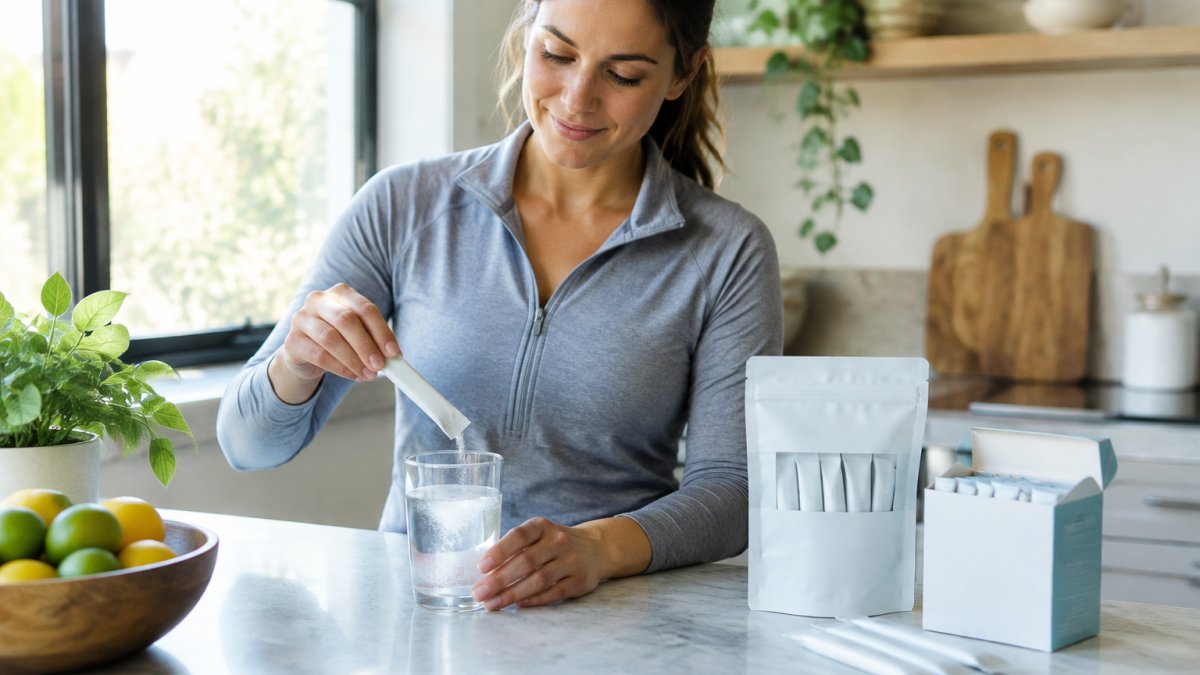
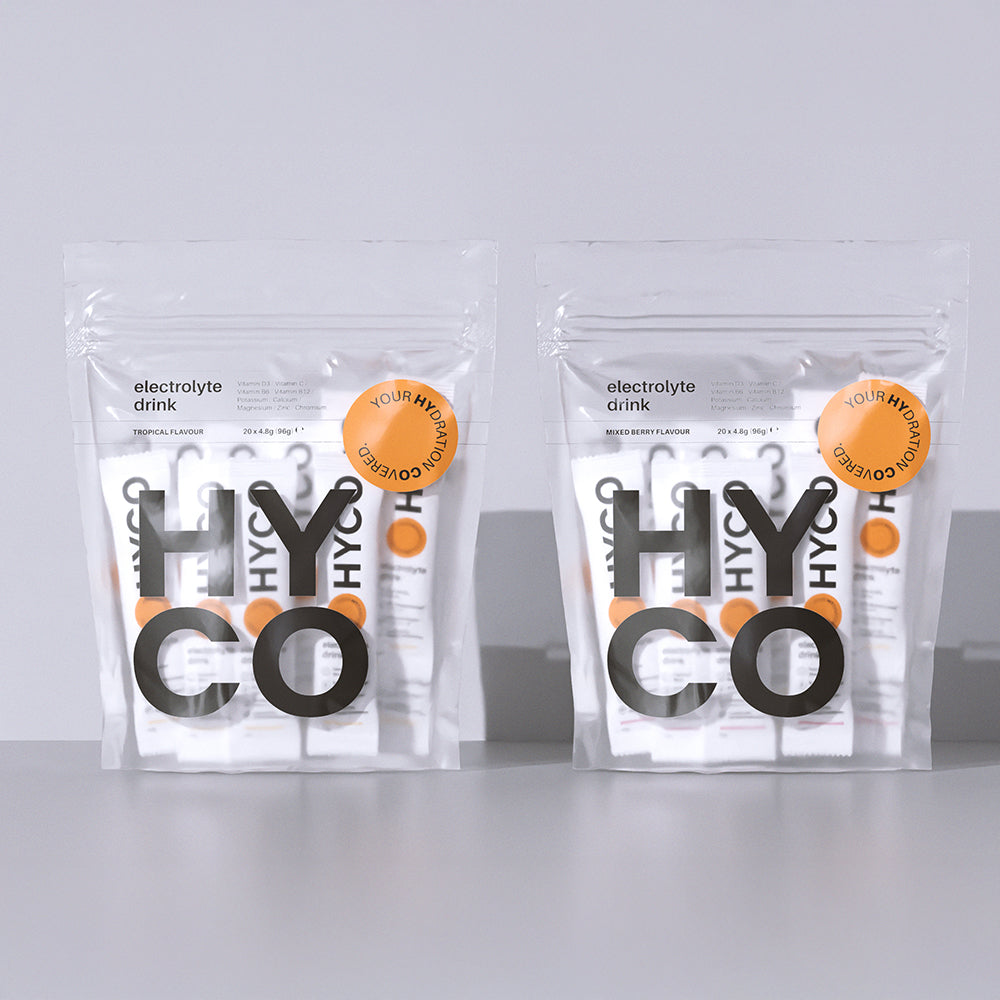
A sachet you mix into 500ml to a litre of still water lets you control the strength of the drink. The HYCO sachet range, which comes in Mixed Berry and Tropical, delivers 250mg of sodium per serving.
Here is how the formats compare.
How the Options Compare on Sodium, Sweeteners and Price
| Product | Format | Sodium per serving | Potassium and magnesium per serving | Sweetener | Calories per serving | Price | Cost per serving |
|---|---|---|---|---|---|---|---|
| HYCO Taster Pack | 20 sachets, two flavours | 250mg | Listed on pack | Stevia and erythritol | 0 kcal | £27.00 | £1.35 |
| HYCO Mixed Berry Pouch | 20 sachets | 250mg | Listed on pack | Stevia and erythritol | 0 kcal | £27.00 | £1.35 |
| HYCO Tropical Pouch | 20 sachets | 250mg | Listed on pack | Stevia and erythritol | 0 kcal | £27.00 | £1.35 |
| HYCO Double Pouch | 40 sachets | 250mg | Listed on pack | Stevia and erythritol | 0 kcal | £49.00 | £1.23 |
| HYCO Starter Packs | 10 sachets | 250mg | Listed on pack | Stevia and erythritol | 0 kcal | £14.00 | £1.40 |
| HYCO Cans | 250ml ready to drink | 250mg | Listed on pack | Stevia and erythritol | 0 kcal | £29.99 | £1.50 |
Price
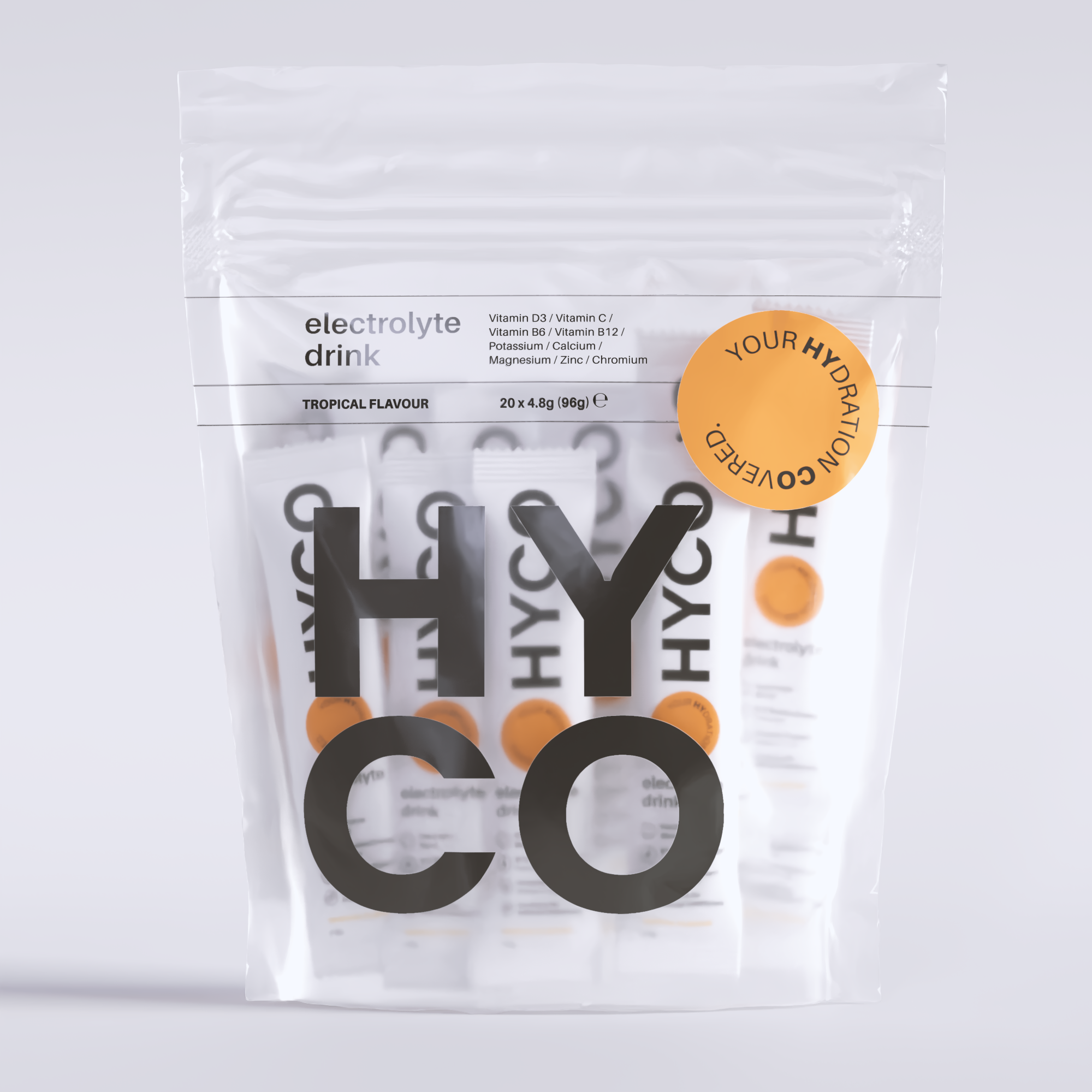
Every sachet also carries potassium, magnesium, calcium, zinc and chromium, plus vitamins C, D3, B5, B6 and B12. No sugar, no calories, no caffeine. The milligram figures for potassium and magnesium are listed on the product packaging.
What Each Format Is Best For
The Taster Pack suits anyone who has not settled on a flavour, with ten Mixed Berry and ten Tropical sachets. The Double Pouch gives you forty sachets for £49.00, roughly a month at one a day. If you want a multi-sachet option for regular use, the HYCO Double Pouch - 40 Electrolyte Sachets is available.
The Cans are a 250ml ready-to-drink format at £29.99 for the pack, which works out at £1.50 per can. They are the option to drink without mixing, so they suit a gym bag or a car cup holder.
Best for: daily hydration at home or at a desk. Skip if: you need something you can drink without mixing.
How Sachets Compare With Tablets and Ready-to-Drink Cans
Sachets win on control and cost per serving. You decide whether a sachet goes into 500ml or a full litre, so the same product can be a lighter everyday drink or a stronger post-exercise one.
Watch out: cost per serving is only comparable if you use the same serving size. A sachet made up to a full litre is a weaker drink than the same sachet in 500ml, so compare like with like before deciding one format is cheaper.
Electrolyte Tablets for Hydration: Where They Fit and Where They Fall Short
Electrolyte tablets dissolve in water and travel well in a handbag, which makes them a sensible choice for travel or a gym locker.
If your goal is general daily hydration, a sachet gives you more control over strength. Our sachets mix into 500ml to a litre, so you can make a lighter or stronger drink to suit the day. If you want a deeper comparison of sugar-free and artificial-sweetener-free powders before deciding, read our guide to the 7 best electrolyte powders without artificial sweeteners.
How to Choose Electrolyte Supplements Without Guessing
To choose electrolyte supplements well, check four things on the label: the sodium figure per serving, the potassium and magnesium content, what the product is sweetened with, and whether the sugar-free claim means what you think it means. Everything else is flavour and marketing.
Reading the Label: Sodium, Potassium and Magnesium
Sodium is the mineral lost in sweat, so look for a clear milligram figure per serving rather than a vague blend. Our sachets list 250mg of sodium alongside potassium, magnesium, calcium, zinc and chromium, so you can see what you are getting in one place.
When you compare products, put the figures side by side per serving, not per 100g.
'Sugar-Free' Versus 'No Added Sugar': What the Label Actually Means
These two phrases are not interchangeable. 'Sugar-free' means the product contains no more than a set threshold of sugars per 100g or 100ml, while 'no added sugar' means no sugar has been added but the product may still contain naturally occurring sugars from fruit or other ingredients. A drink can be 'no added sugar' and still carry sugar from its base ingredients.
Sugar content is also not the same as calories or carbohydrates. A product can be sugar-free and still contain carbohydrates from sugar alcohols or other sweeteners, and it can be calorie-free or low-calorie depending on the rest of the formula. Read the nutrition panel for sugars, carbohydrates and calories separately rather than trusting the front-of-pack claim.
Sweeteners, Flavours and Ingredient Tolerance
Sugar-free does not mean unflavoured, and it does not mean every sweetener suits every stomach. Stevia is a plant-derived sweetener with no calories; erythritol is a sugar alcohol that carries very few calories and is generally well tolerated, but some people find sugar alcohols unsettle them in larger amounts. Artificial sweeteners such as sucralose and acesulfame K are common in cheaper products and suit some palates better than others. Taste and digestive tolerance vary from person to person, so a small pack is a sensible first buy.
Our sachets use stevia and erythritol. If you are vegan, check the label; our Mixed Berry and Tropical pouches are vegan and keto friendly.
Medication and Health Conditions: When to Ask Before You Buy
Electrolyte drinks are food supplements, not medicines, and they are not right for everyone. If you have a kidney condition, a heart condition, high blood pressure, or you take medicines that affect fluid and mineral balance, including some diuretics, blood pressure medicines and lithium, speak to a GP or pharmacist before adding a regular electrolyte drink to your routine. The same applies if you are pregnant or breastfeeding, because fluid and mineral needs change and a supplement should not replace proper advice.
Watch out: a sugar-free label does not make a supplement suitable for a medical condition. If you are unsure, ask a pharmacist; they can check interactions with your medicines in minutes and it costs nothing.
Electrolytes After Illness: When They Help and When to See a GP
For more on managing that stretch, see our guidance on staying hydrated when your appetite changes.
Watch out: electrolytes are not a treatment for illness. If you cannot keep fluids down, feel very dizzy on standing, or symptoms last more than a couple of days, speak to a GP or call NHS 111 rather than self-treating. The NHS guidance on dehydration sets out the warning signs clearly.
Hydration Needs Across Women's Life Stages
Hydration needs shift with age and hormones, and that is where most generic guides fall short.
For a fuller look at this, our article on using electrolytes for menopause brain fog goes deeper. The honest position: a drink is one small lever, not a cure, and it works best alongside sleep, movement and enough water.
Start With a Taster Pack and Find Your Flavour
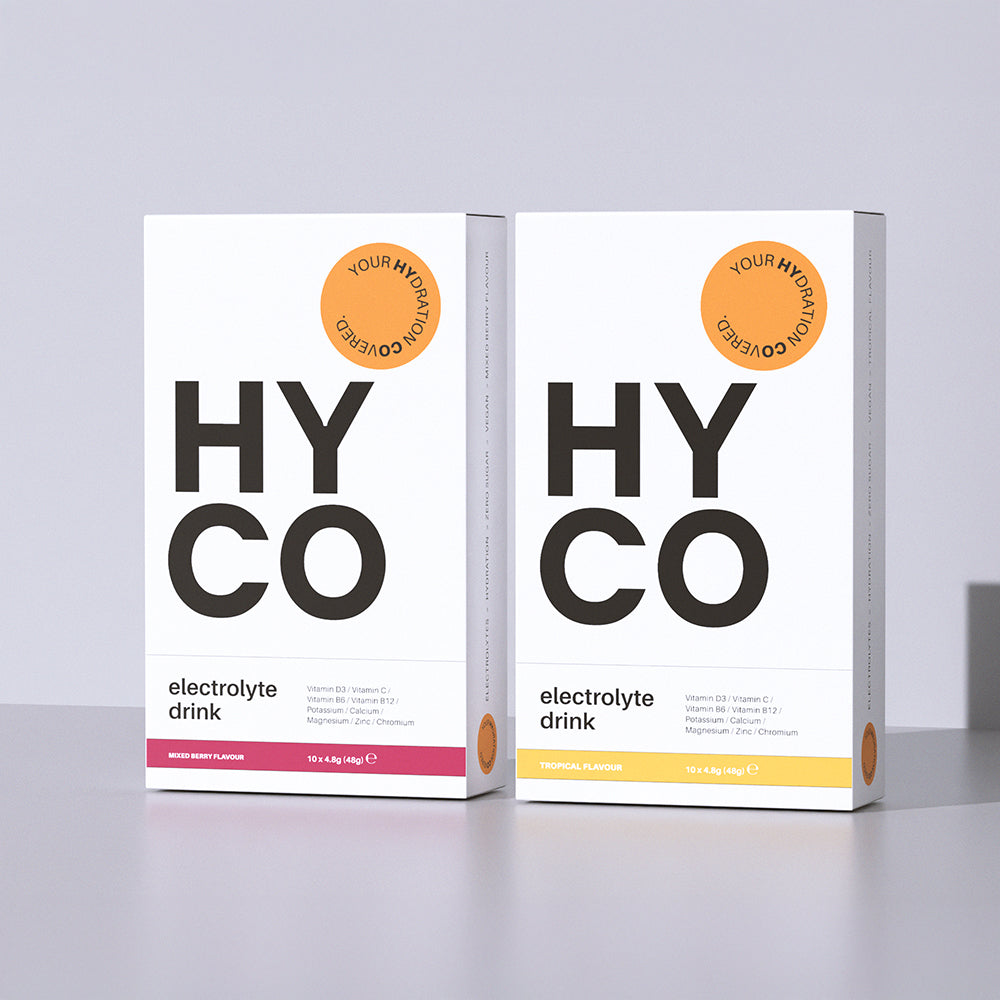
The easiest way to begin is a small box, not a bulk buy. Our HYCO Taster Pack gives you ten Mixed Berry and ten Tropical sachets for £27.00. If you would rather try one flavour first, a ten-sachet starter pack is £14.00.
Best for: first-time buyers and flavour testing. Skip if: you already know exactly which flavour you want.
Choosing a sugar-free electrolyte drink should not feel like guesswork. If you want a formula with no sugar, no caffeine and a clear 250mg of sodium per serving, HYCO is built for exactly that. Our sachets and cans deliver balanced electrolytes with vitamins C, D3, B5, B6 and B12, are lab-tested, and are made in the UK. Get started with HYCO and build a hydration habit that fits your day.
Frequently Asked Questions
Do women need different electrolytes from men?
Our sachets deliver 250mg of sodium per serving, alongside potassium, magnesium, calcium, zinc and chromium. If you are pregnant, breastfeeding or on medication, speak to your GP before adding a daily electrolyte drink.
Are sugar-free electrolyte drinks good for you?
Our sachets are sugar-free and use stevia and erythritol. Check the ingredient list and start with a small pack if you are unsure. Electrolytes are a supplement, not a replacement for food.
Can sugar-free electrolytes help with dehydration after illness?
Vomiting or diarrhoea that lasts more than a day, or any signs of severe dehydration such as dizziness on standing or very dark urine, needs medical advice rather than a drink mix. For everyday recovery, sip water and eat normally.
Are electrolyte tablets or powders better?
Our sachets dissolve into 500ml to a litre of water, so you can adjust the strength, and each carries a stated 250mg sodium figure. Tablets are convenient for a gym bag or handbag. Match the format to when you will actually use it.
Can you drink electrolyte drinks every day?
If you have high blood pressure, kidney disease or heart failure, or take diuretics or blood pressure medication, check with your GP first, because added sodium and potassium can interact with treatment. Watch for any digestive discomfort from sweeteners and reduce the frequency if it appears.
